Guide · Cents
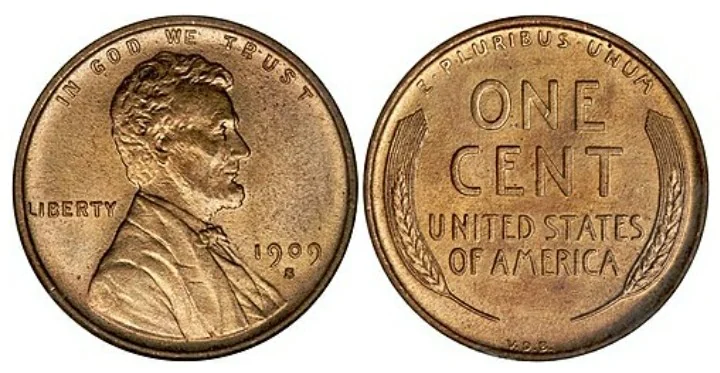
Wheat Penny values
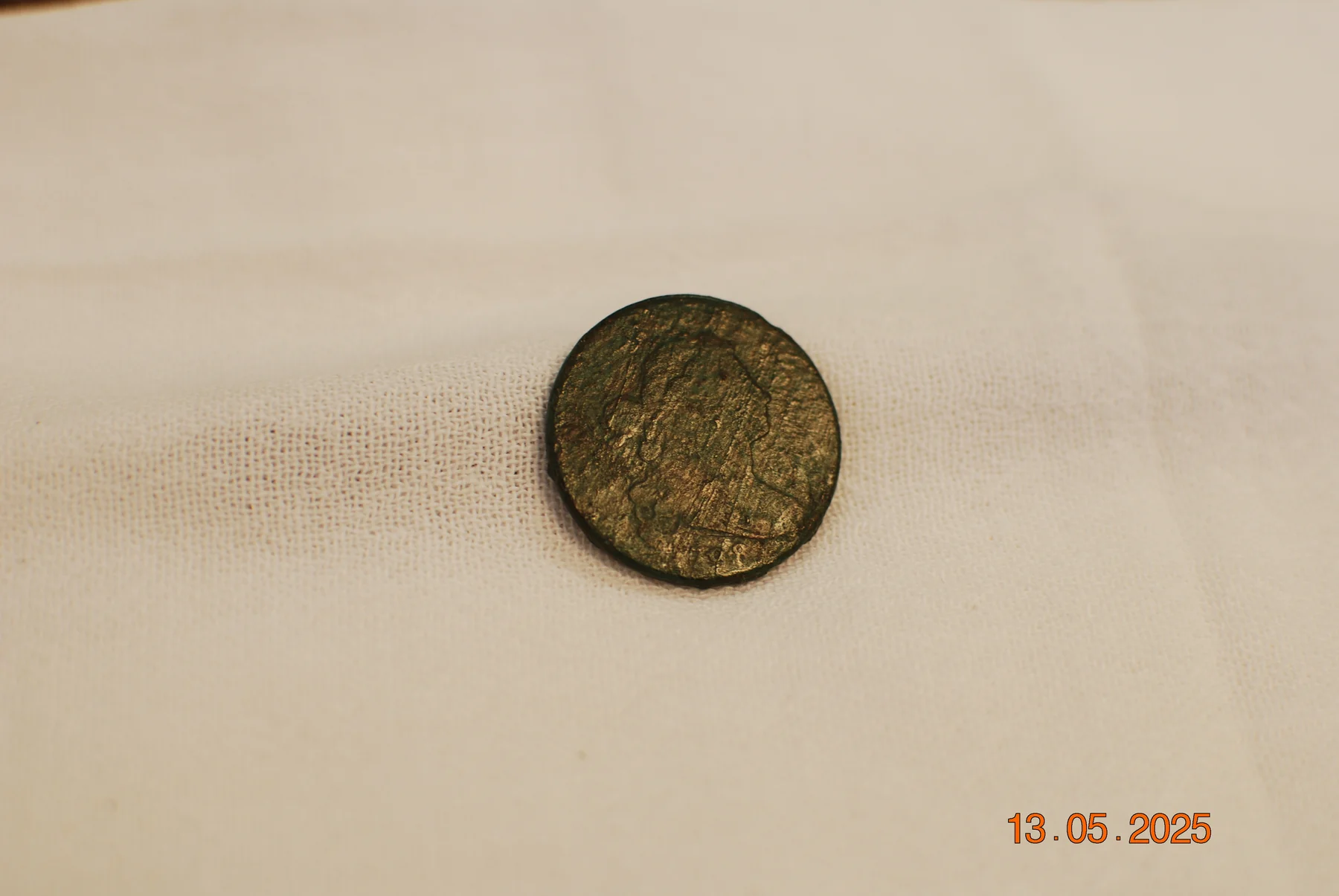
Which dates and mintmarks matter, why condition outweighs age, and how to tell a common cent from one worth setting aside.
Read the guideCoin valuation, diagnosed plainly
Inherited, discovered, or collected coins? Before you clean anything or accept an offer, get a clear read on which kind of help actually fits your situation — and which doesn't.
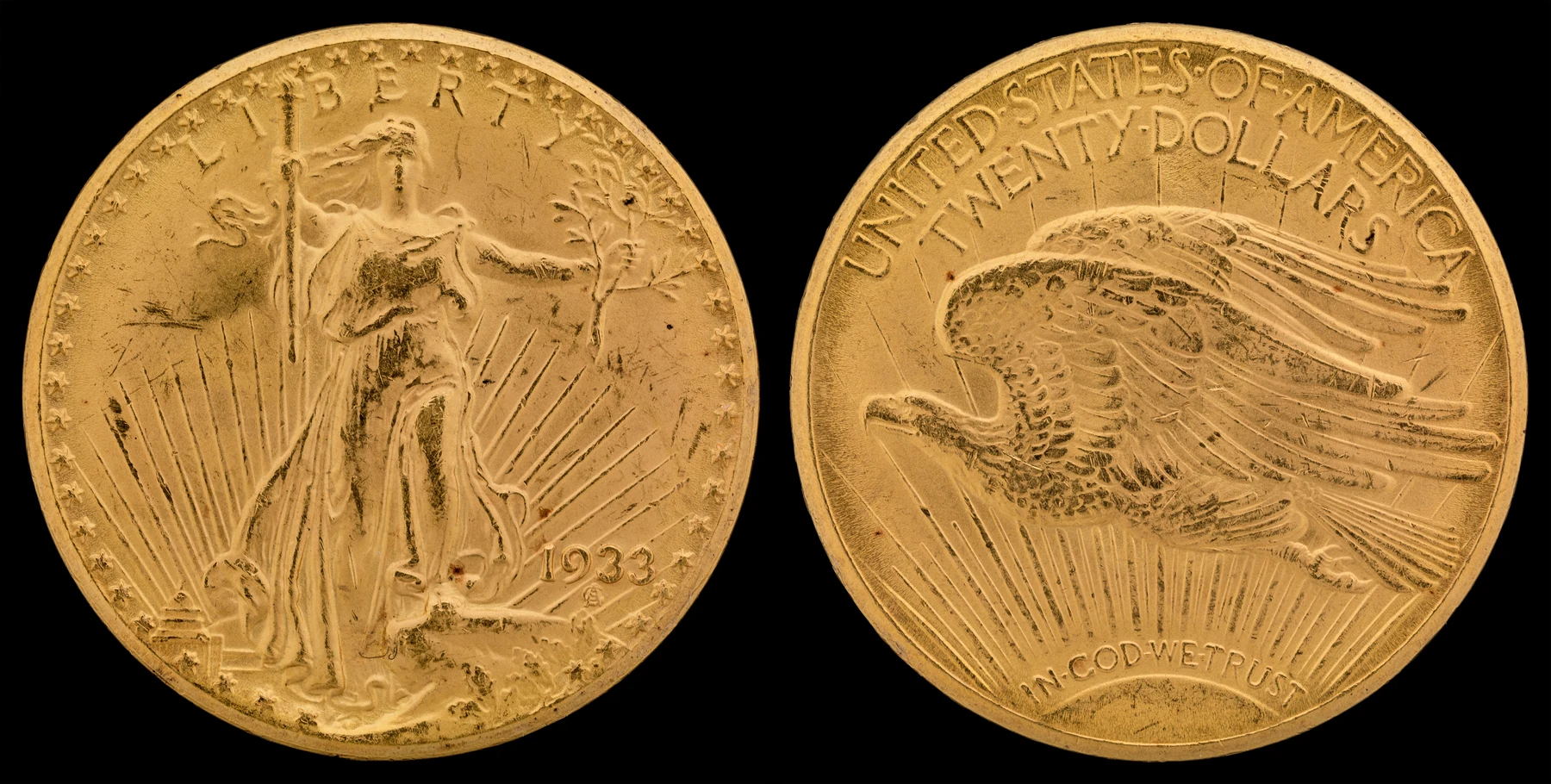 Date, mintmark, and surface detail decide the number — not a glance
Which kind of help do you need?
"How much is this worth?" usually hides one of four separate needs. Select the one that sounds like you — each explains what it is, when it applies, and where it typically leads.
When it fits
You're curious, deciding whether something deserves more attention, or want a reference point before talking to anyone. A market estimate reflects roughly what dealers or collectors currently pay — not an insurable or legal figure.
When it fits
A qualified appraiser produces a signed document stating a defined value for a defined purpose. The number can differ from both a quick estimate and what you’d net from a sale, because the purpose changes the standard of value.
When it fits
Authentication answers "is it real?"; grading assigns a standardized condition score that markets rely on. Third-party services seal coins in tamper-evident holders. Fees generally scale with a coin’s declared value, so it’s worth weighing cost against benefit first.
When it fits
Dealer sale, consignment, or auction each trade speed for price and carry different fees. Sale proceeds are their own figure — typically below a replacement-value appraisal after commissions. We help you compare routes so an offer doesn’t catch you unprepared.
How it works
A few plain questions — what the coins are, roughly how many, and why you’re asking. Photos help but aren’t required.
We explain which of the four paths fits, what each realistically costs, and what to watch out for — in plain language, without jargon.
When you’re ready, we point you toward an appropriate independent professional or service. You decide if and when to proceed.
Why work with an independent guide
We're an independent coin-education publication preparing a referral pathway. We don't purchase collections and we don't grade coins — this guidance doesn't depend on any credential or membership. A separate founding Guild membership program for numismatic professionals is being developed below; it's a distinct, still-forming track, not a requirement for the guidance you get here.
Featured coin guides
Plain-language references on the pieces that turn up most often in inherited jars and starter collections — what drives their value, and what usually doesn't.
Which dates and mintmarks matter, why condition outweighs age, and how to tell a common cent from one worth setting aside.
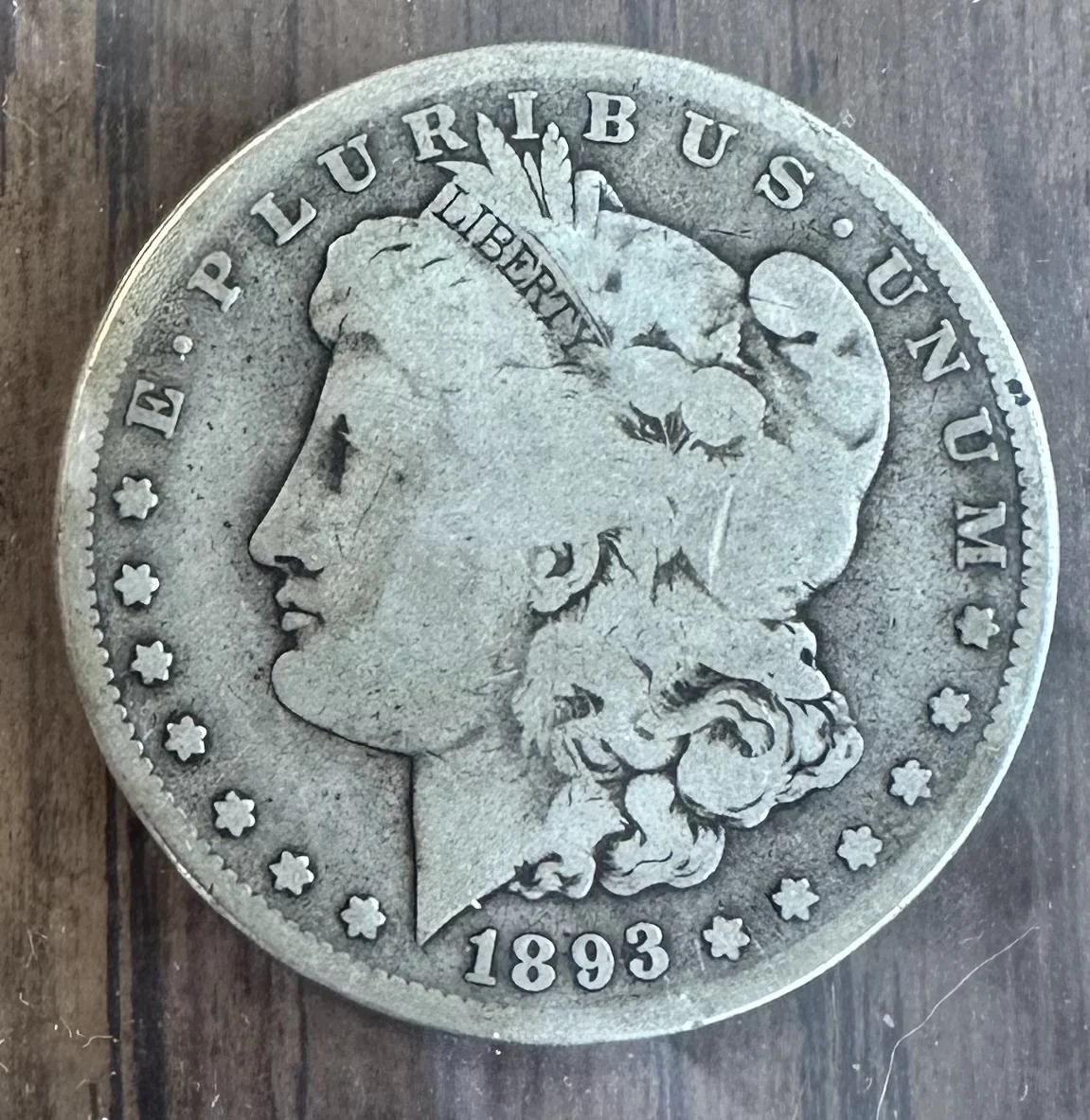
Read the guideReading dates, mints, and surfaces on one of America's most collected silver dollars.
Read the guide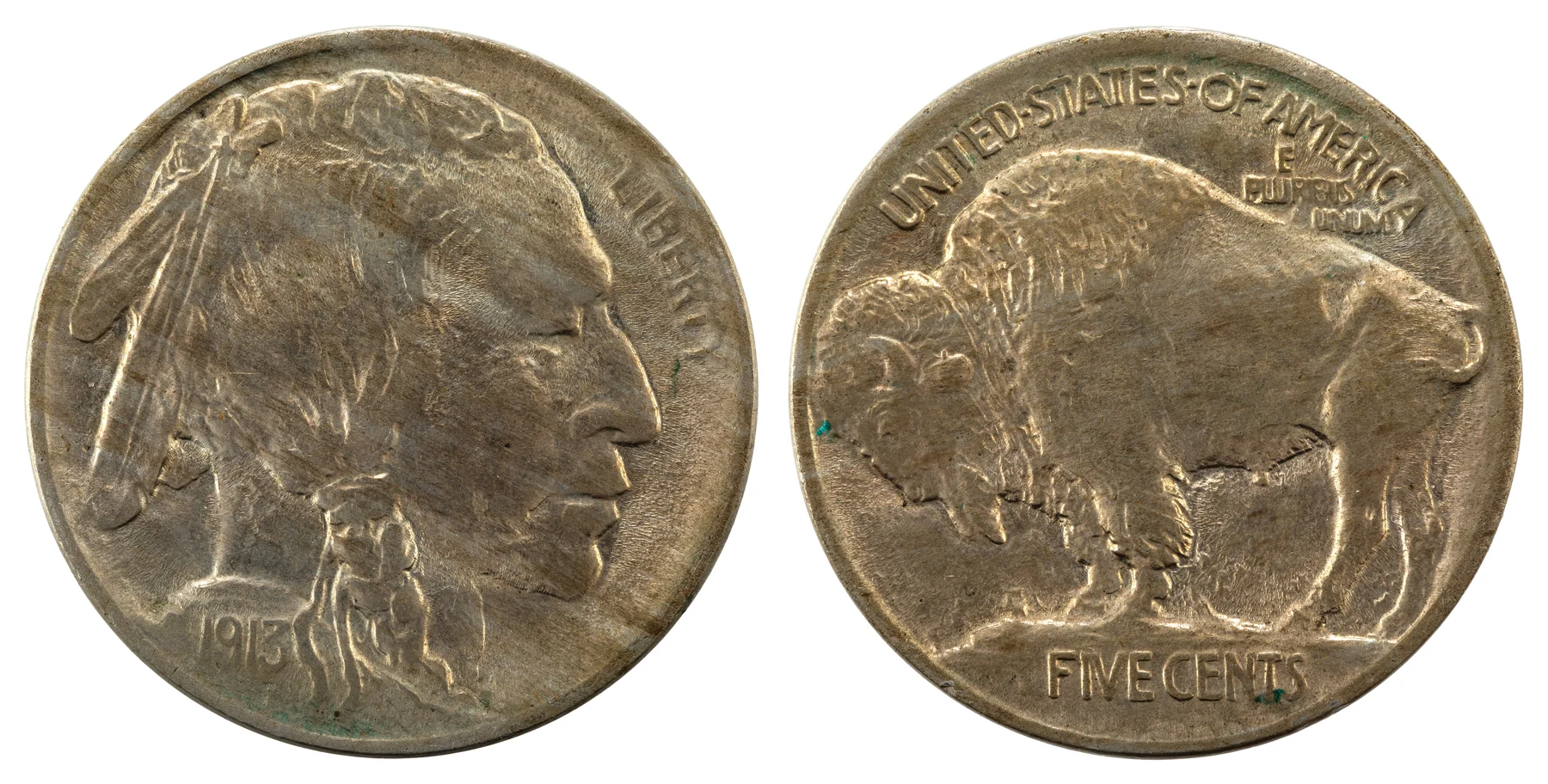
Why worn dates are common, what a full-date example changes, and how to handle them.
Read the guideFounding membership
Appraisal guidance above remains this site's main purpose. This is a second, distinct path: a professional guild for people who value, grade, authenticate, or handle coins for a living. Founding membership applications are currently in development — there is no existing roster, board, or accreditation program yet. Registering interest below reserves your place in that process; it is not an application and does not create membership.
Track 01
For experienced coin appraisers, dealers, auction specialists, graders and authenticators, and numismatic estate specialists. Professional Members who pass founding review may become directory- and referral-eligible once those systems launch.
Track 02
For developing professionals and serious numismatists who want education and peer participation. Associate Members are not represented as approved appraisers and aren't directory- or referral-eligible.
These are the standards currently under development for founding review. They apply to the Professional track; Associate Member review is lighter-weight and education-focused.
Guild membership — at either track — doesn't replace state or local business licensing, tax or legal advice, or independent third-party grading where those are required. We don't yet have an established member roster, governing board, accreditation program, or certification process, and we won't call members "certified," "accredited," or "vetted" until those standards and a review operation are actually in place.
Founding-member interest
This isn't an application — it's a way to be notified first when founding review opens, and to tell us which track fits. No fee, no commitment.
We're finalizing founding review before opening registration. Once it's ready, you'll be able to register interest here and select the track that fits.
Common questions
Usually not. Cleaning — even gently — can leave marks that lower a coin's value, sometimes significantly. If you're unsure, leave a coin as-is and ask before doing anything irreversible.
No. A quick estimate is an informal read on current market interest. A formal appraisal is a signed document prepared for a specific purpose — insurance, an estate, tax, or a legal matter — and it follows a defined standard of value. The two figures can differ, and both can differ from what a coin actually sells for.
It varies by service and by the coin. Third-party grading fees generally rise with a coin's declared value, and there are handling and shipping costs on top. Because of that, grading makes the most sense for higher-value or disputed pieces. We'll help you judge whether it's likely to pay off before you send anything in.
That's one of the most common situations we see. Don't clean anything and don't accept the first offer. Start by telling us roughly what's there and why you're asking; we'll help you sort it into "worth a closer look" and "ordinary," then outline sensible next steps at your pace.
No. We don't buy, sell, consign, or grade coins. We're an independent education project preparing a referral pathway, which keeps the guidance separate from any offer to purchase your coins.
Requesting guidance through this site is free. If a paid step makes sense — a formal appraisal or grading, for example — that cost is charged by the independent professional or service you choose, and we'll be upfront about it beforehand.
Request appraisal guidance
Share a little about your coins and what you're trying to decide. We'll respond with the paths that fit and where they lead — no obligation to go further.
We're finalizing where requests go and how they're reviewed before turning this on. Once appraisal-guidance intake opens, you'll be able to submit your details here and hear back with the paths that fit your situation.